这部影片讲述了少女阿尔玛不断追寻自我身份的故事。阿尔玛的父母是南斯拉夫人,但她从小在荷兰长大,因此认为自己既不属于东方,也不属于西方。她的生活经历让她早早明白了性的奥秘,却依然对世界保有孩童般的纯真。成年之际,阿尔玛决定从荷兰出发,在堂兄埃米尔和其朋友丹尼斯的陪伴下前往波斯尼亚,去见她从未谋面的父亲。在这段离奇波折的旅途当中,发生了许多意料之外的事,但无论如何,阿尔玛都决定坚持到底。在完成找到父亲的计划之前,她必须先找到真正的自我。
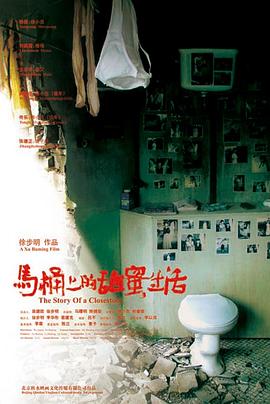
上个世纪70年代末80年代初的一个南方小城,一位名叫穆小旦的小姑娘与父母和弟弟同住在一个没有厕所的房子里,伴随着她的成长,如厕这样一个最简单基础的民生问题,成为穆小旦心中长久的隐痛与不堪,接近浪漫主义的执著追求。每天早晨,穆小旦必须去脏乱的公共厕所清理弟弟穆小生的痰盂,这一段并不遥远的路程是她生命中最为艰难羞愤的经历。而邻居家的一对姐妹花,竟然为了争夺一只马桶的率先使用权大打出手,从此姐妹之间数年没有开口说过一句话。 在一次青年朋友的聚会中,穆小旦发现了古子华家的厕所,一个闪闪发光的抽水马桶。从那天开始,穆小旦暗自下定了决心,她要拥有一间完全个人私密的厕所,哪怕是在情窦初开之际,也可暂且拒绝同城青年古子华的爱慕之意。一间厕所,是她和爱情平起平坐的内心重量。 经过挖空心思的努力,穆小旦的厕所终于奇迹般地建构起来了,与周遭琐碎、潦草的环境形成鲜明对比的,就是一只洁白耀眼的抽水马桶。在那个年代,一间私人厕所如同一个珍稀动物,邻居们蜂拥而至,言语间或羡慕,或赞赏。穆小旦把厕所当作了她的私人领地,关上门,她可以在这里换衣服,化妆,翻看彩色画报,在这个小小的天地气候里,她竭力维护着自己带有洁癖的个人尊严。 时间就这样过去了,三年,五年,十年。在一个暴雨的清晨,穆小旦上厕所的时候,临街的一堵墙突然消失了,这个曾经隐密优雅的空间又再次曝露在了众人的眼睛之下。厕所的墙究竟是怎么一回事,穆小旦一家人至今也没有弄明白。在这个过程中,一个北方男人冒失闯了进来,撒了一泡尿,还误认为这是一个收费厕所;一个江西女人观察多日,趁着天黑,抱着孩子在穆小旦的厕所里住了下来;邻居徐奶奶在厕所外面摆了个小摊,公然开始收费了;源源不断的陌生人就这样莫名其妙走进了穆小旦的厕所。 厕所的烦恼才告一段落,古子华又出现了,也许是成长让他褪变成了另一个人,穆小旦再次接受了这种忽明忽暗的感情,与日常的生活握手言和。貌似老实温和的古子华听从了穆小生的怂恿,等到所有人都睡着的时候,穿过厕所,回到了穆小旦的房间,以捍卫爱情的坚强理由在穆小旦身边侧躺了下来。
故事发生在美丽的巴塞罗那,美国女孩维姬(丽贝卡·豪尔 Rebecca Hall 饰)和克里斯蒂娜(斯嘉丽·约翰逊 Scarlett Johansson 饰)在度假时认识了名声并不太好的艺术家胡安(哈维尔·巴登 Javier Bardem 饰)。性格迥异的两姐妹在第二次遇到胡安后,对于胡安结伴去奥维耶多过周末的的邀请,热情奔放的克里斯蒂娜一下子就爽快答应了,而即将结婚的维姬却感到深深的不安。 奥维耶多发生了让人意想不到的事情,原本应该和胡安一夜春宵的克里斯蒂娜因病躺在床上休息,而理智现实的维姬却和胡安一夜风流。 当三个人再次回到巴塞罗那之后,维姬的未婚夫道格前来陪伴她,维姬的生活似乎归于平静。而当克里斯蒂娜开始了与胡安热恋并同居的生活之时,胡安的前妻玛丽娅(佩内洛普·克鲁兹 Penélope Cruz 饰)突然出现,这三人之间构筑起一种奇特的关系。于是在盛夏的充满浪漫气息的欧洲名城,一段诙谐而又深刻的关于爱的故事拉开了序幕。 在2009年第81届奥斯卡上,佩内洛普·克鲁兹凭借此片获得最佳女配角奖。
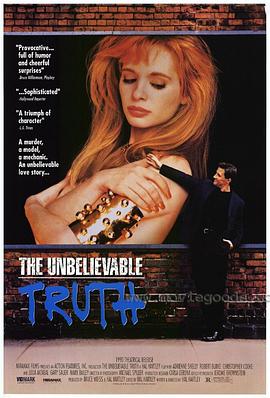
Fraught with over obvious symbolism, Hartley's early feature is nonetheless a joy to watch. Hal here shows us his uncanny ability to cast his characters perfectly came early in his career. Adrienne Shelley is a near perfect foil to herself, equal parts annoying teen burgeoning in her sexuality (though using sex for several years); obsessed with doom and inspired by idealism gone wrong she is deceptively – and simultaneously – complex and simple. Her Audrey inspires so many levels of symbolism it is almost embarrassingly rich (e.g., her modeling career beginning with photos of her foot – culminating her doing nude (but unseen) work; Manhattan move; Europe trip; her stealing, then sleeping with the mechanics wrench, etc.) As Josh, Robert Burke gives an absolutely masterful performance. A reformed prisoner/penitent he returns to his home town to face down past demons, accept his lot and begin a new life. Dressed in black, and repeatedly mistaken for a priest, he corrects everyone ("I'm a mechanic"), yet the symbolism is rich: he abstains from alcohol, he practices celibacy (is, in fact a virgin), and seemingly has taken on vows of poverty, and humility as well. The humility seems hardest to swallow seeming, at times, almost false, a pretense. Yet, as we learn more of Josh we see genuineness in his modesty, that his humility is indeed earnest and believable. What seems ironic is the character is fairly forthright in his simplicity, yet so richly drawn it becomes the viewer who wants to make him out as more than what he actually is. A fascinatingly written character, perfectly played. The scene between Josh and Jane (a wonderful, young Edie Falco . . . "You need a woman not a girl") is hilarious . . . real. But Hartley can't leave it as such and his trick, having the actors repeat the dialogue over-and-over becomes frustratingly "arty" and annoying . . . until again it becomes hilarious. What a terrific sense of bizarre reality this lends the film (like kids in a perpetual "am not"/"are too" argument). Hartley's weaves all of a small neighborhood's idiosyncrasies into a tapestry of seeming stereotypes but which delves far beneath the surface, the catalyst being that everyone believes they know what the "unbelievable truth" of the title is, yet no two people can agree (including our hero) on what exactly that truth is. A wonderful little movie with some big ideas.