《苗山花》以解放前贵州麻山地区“熊氏三兄妹”中的苗族姑娘熊三妹为人物原型,故事发生在上世纪30年代末期,罗甸,望谟,紫云三县交界地区的麻山农民自卫团与国民党地方势力展开艰苦卓绝的的斗争。各族同胞自发加入反抗国民党暴政的革命事业中,歌颂了中国共产党引导少数民族同胞翻身救解放的伟大壮举。
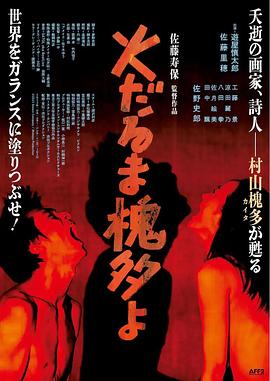
Murayama Kaita, a Japanese painter, novelist and poet died in 1919 at the age of 22, leaving behind an impressive and time-defying body of work. In his most recent film, Sato Hisayasu offers a surreal, time-crossing, meta-layered essay on the artist, his originality and his legacy. Dear Kaita Ablaze brings together a young woman Azami obsessed with Murayama's painting, a young man Saku, who can hear unusual frequencies and claims to be Murayama or his spiritual imprint and a quartet of young performers with psychic abilities. They bond over Murayama’s work which they recreate in performative dance while driving to a mysterious cave called Agartha. Sato Hisayasu (The Eye's Dream, Muscle, The Bedroom), renowned for his pinku and exploration of madness and lust, returns to IFFR. Dear Kaita Ablaze is hyper-dense, obsessive and driven, effortlessly mashing surrealism with sci-fi and mysticism, layering seemingly unrelated events and encounters to bring them together in a monumental climax. – kijA
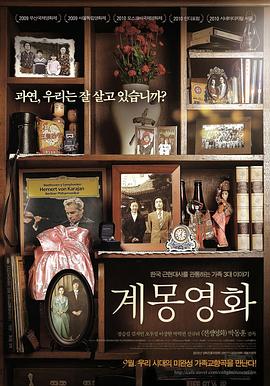
鄭家一家人因父親鶴松(音譯)臨終而聚在一起,雖然他們表現上看起來一切順遂,享受著「主流」的生活,但受到過去家庭陰影的影響,他們被難以言喻的焦慮與不安籠罩著。 祖父母在殖民時期靠著親日運動而致富,父親經過韓戰,培養出獨裁獨斷一家之主的形象,而女兒自幼就活在父親暴力的陰影下。透過一家三代的歷史軌跡,本片揭露了家人失和的開端,以及種種決定決定是如何影響當前的他們。