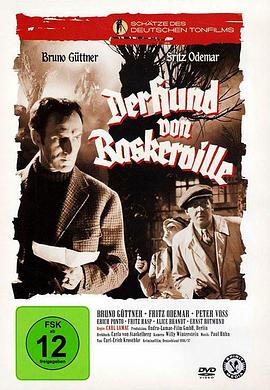
A most pleasingly atmospheric rendition of the tale, noirishly photographed and moodily set, this is the version which probably would have delighted Conan Doyle the most. There is one important plot change which enables the beautiful Alice Brandt to enjoy both a larger role and a more intriguing part in the proceedings. This change also builds up the parts of Dr Mortimer and Lord Charles, yet at the same time provides a nice introduction to the is-he-sinister or is-he-a-good-guy Barrymore, deftly played here by Fritz Rasp. Despite the sting of its well-developed story, the spellbindingly atmospheric direction and the engrossing performances delivered by the entire cast, many fans may find this version somewhat disappointing. For at least three reasons: As in the novel, the part played in the narrative by Sherlock Holmes, though vital, is minimal. And in this version, not only has no attempt been made to enlarge his role, if anything both writer and director do their best to minimize it. Holmes does not even make his entrance for half-an-hour, and when he does finally appear, he has his back to the camera. It is Fritz Odemar, as Dr Watson, who receives the more favorable camera angles. And there is a purpose in this. It is Watson, not Holmes, who figures as the main protagonist of The Hound of the Baskervilles. For the bulk of the narrative, Holmes disappears. It is Watson and Lord Henry (Peter Voss) who take up the running. The movie is almost over, before Holmes closes in on the villain. And even so, this is not the obsessed, self-important Holmes we are accustomed to see taking charge. Another problem is that the title hound itself does not figure a great deal in the action, a downgrading which will undoubtedly rate as another major disappointment for fans. And finally, it could be argued that the script gives too much attention to Conan Doyle's red herring, the escaped convict, and not enough to the real villain. This said, it must surely be admitted by all, that Odemar's interpretation of Watson—intelligent, charming, level-headed, courageous and resourceful—is much closer to Conan Doyle's conception than either the bungling, inveterately stupid Nigel Bruce or the self-effacing Ian Fleming. One other player deserves special mention: Erich Ponto (Dr Winkel in The Third Man) who seems exactly right for Stapleton. A difficult part, superbly played. - JohnHowardReid, imdb
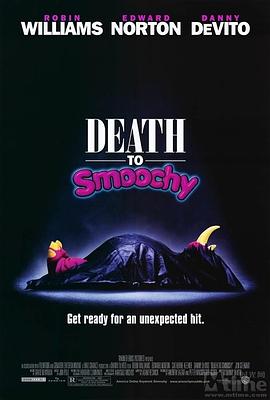
尽管兰道夫(罗宾·威廉姆斯 Robin Williams 饰)身为儿童电视节目主持人,但他的真实性格和形象远远不如节目中所表现出来的那样善良与和蔼可亲。为了参加他住持的儿童节目,家长们必须向其行贿,与此同时,兰道夫亦与黑帮分子之间有着千丝万缕的联系。 东窗事发之后,电视台开除了兰道夫,为了弥补兰道夫的不良形象为电视台所带来的名誉损害,他们必须尽快找到一个可以信赖、身世清白的人作为替代,就这样,好运落在了一个名为莫普斯(爱德华·诺顿 Edward Norton 饰)的三流演员身上。让所有人没有想到的是,莫普斯居然就此一炮而红,这让生活一落千丈的兰道夫恨红了眼,他的心中只有一个想法,那就是除掉莫普斯。
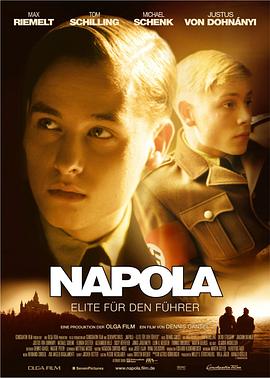
1942年的德国,17岁的少年Friedrich(马克思·雷迈特 Max Riemelt 饰)努力训练自己,梦想有朝一日能够加入纳粹的训练营。在通过重重考试之后,他获得了机会,然而他的父亲却极力反对,于是他伪造父亲在文书上签名,成功成为了训练营的一名成员,开始了每天艰苦的训练。在其中,他认识了Albrecht(汤姆·希林 Tom Schilling 饰),一个德国军官的儿子,两人建立了深厚的友情。然而Albrecht却不热衷于纳粹,反而更喜欢文学和写作。Albrecht的父亲却希望儿子跟他一样,以后成为一名纳粹军官,两人矛盾不断。在训练营里,Friedrich和Albrecht发现了许多丑恶的现象,Friedrich的信仰开始有所动摇。而在一次水中训练中,Albrecht却再也没有从水中出来...... 本片获2003德国电影奖最佳原创剧本奖。
从未失手的珠宝大盗,本想干完最后一票便金盆洗手,却与中年失意的精英高管意外结盟,联手布下棋局。另一边,深陷职场困局的王牌警探,正凭借蛛丝马迹一步步将矛头对准他们,更有黑帮劫匪暗中蛰伏,伺机搅局。螳螂捕蝉、黄雀在后,当规则与道德的边界被打破,这场颠覆命运的惊天罪案,究竟谁能安全脱身?
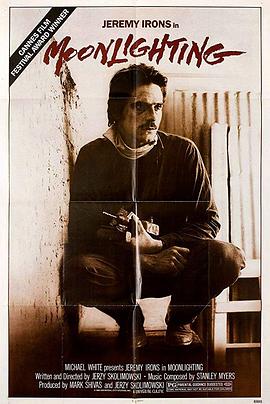
「波兰六重奏」系列第五部,芝加哥太阳报影评人Roger Ebert四颗星最高评价,纽约时报盛讚本片是「影史上最好的流亡电影」。奥斯卡影帝杰瑞米艾朗以令人着迷的波兰腔英文及一贯压抑、内敛的高竿演技,传神诠释非法前往伦敦担任监工的谨慎男子,如何决意不让同乡工人知道波兰政治丕变的焦虑心境。 本片故事灵感来自史考利莫斯基装修伦敦住所的真实经历,于波兰戒严后一个月开拍,并在时代氛围中掺入些许他对于性执迷的个人关注。