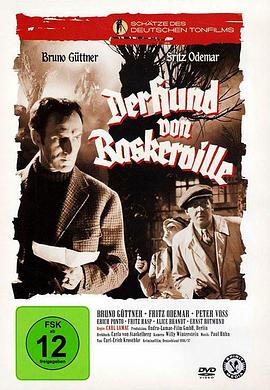
A most pleasingly atmospheric rendition of the tale, noirishly photographed and moodily set, this is the version which probably would have delighted Conan Doyle the most. There is one important plot change which enables the beautiful Alice Brandt to enjoy both a larger role and a more intriguing part in the proceedings. This change also builds up the parts of Dr Mortimer and Lord Charles, yet at the same time provides a nice introduction to the is-he-sinister or is-he-a-good-guy Barrymore, deftly played here by Fritz Rasp. Despite the sting of its well-developed story, the spellbindingly atmospheric direction and the engrossing performances delivered by the entire cast, many fans may find this version somewhat disappointing. For at least three reasons: As in the novel, the part played in the narrative by Sherlock Holmes, though vital, is minimal. And in this version, not only has no attempt been made to enlarge his role, if anything both writer and director do their best to minimize it. Holmes does not even make his entrance for half-an-hour, and when he does finally appear, he has his back to the camera. It is Fritz Odemar, as Dr Watson, who receives the more favorable camera angles. And there is a purpose in this. It is Watson, not Holmes, who figures as the main protagonist of The Hound of the Baskervilles. For the bulk of the narrative, Holmes disappears. It is Watson and Lord Henry (Peter Voss) who take up the running. The movie is almost over, before Holmes closes in on the villain. And even so, this is not the obsessed, self-important Holmes we are accustomed to see taking charge. Another problem is that the title hound itself does not figure a great deal in the action, a downgrading which will undoubtedly rate as another major disappointment for fans. And finally, it could be argued that the script gives too much attention to Conan Doyle's red herring, the escaped convict, and not enough to the real villain. This said, it must surely be admitted by all, that Odemar's interpretation of Watson—intelligent, charming, level-headed, courageous and resourceful—is much closer to Conan Doyle's conception than either the bungling, inveterately stupid Nigel Bruce or the self-effacing Ian Fleming. One other player deserves special mention: Erich Ponto (Dr Winkel in The Third Man) who seems exactly right for Stapleton. A difficult part, superbly played. - JohnHowardReid, imdb
奥斯卡金像奖得主安吉丽娜·朱莉在著名导演帕布罗·拉雷恩的歌剧《玛丽亚·卡拉斯》中饰演玛丽亚·卡拉斯——20 世纪最具代表性的歌唱家之一。这部电影讲述了这位美籍希腊女高音在经历了辉煌而动荡的公众生活后退隐巴黎的故事。《玛丽亚·卡拉斯》再现了这位传奇女高音的人生最后阶段,讲述了这位天 后如何反思自己的身份和生活。
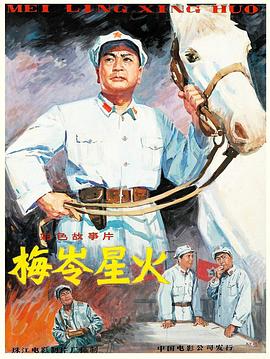
1934年秋,由于左倾机会主义路线的错误,第五次反围剿失败了,红军主力被迫撤出江西根据地,开始了两万五千里长征。当时,敌人从四面八方向中央根据地扑来,中央苏区沦陷了。陈毅同志因腿部受伤,没跟随主力撤离,和留下的同志一起上山打游击。他们历尽艰险,辗转到达赣南梅岭山区时,这支队伍已是兵不满百了。他们隐蔽在深山密林之中,风餐露宿,过着野人般的生活。他们在极端艰苦的条件下,坚持开展游击战争。此时,地下党组织遭到破坏,他们与党中央完全断绝了联系。环境越来越恶劣,斗争越来越艰难,战士们情绪低落,有的竟离队下山。但是,陈毅同志始终充满信心。坚持正确对待官兵,正确对待犯错误的同志,团结一切可以团结的力量,终于度过了困难的三年,保存了革命火种。时值日本帝国主义侵占东北三省,蒋介石实行卖国政策,中华民族的灾难日益深重。对此,陈毅义愤填膺,他在山林中,高举抗日旗帜,宣传发动群众,进行着不懈的斗争。1936年冬,西安事变和平解决,蒋介石不顾国家与民族的利益,对我南方游击队发动猖狂进攻。由于叛徒出卖,梅岭被困,在几乎葬身火海之时,陈毅同志视死如归,写下了著名诗篇《梅岭三章》,慷慨高呼:"此去泉台招旧部,旌旗十万战阎罗!""七七"事变后,国共两党再次合作。陈毅同志虽远离党中央,可凭着他的政治远见,毅然下山与国民党进行谈判。从此,结束了艰苦的游击战争,为以后召集南方的游击队,组成浩浩荡荡的新四军,开赴抗日战场,创造了有利的条件。
健身狂热者Francky近来陷入失恋阴影,其一心想成为网红并破处的死党krimo为了让振作起来提议去泰国著名的芭堤雅“咸湿”海滩散心猎艳。为了省钱,Krimo提议偷偷以小区里侏儒邻居的名义去报名在那举行的侏儒拳击大赛,从而报销机票住宿。于是他们的理想假期就成了一次疯狂的冒险。。。
李青青(林黛 饰)是一名淳朴善良的乡村少女,一次偶然中,她邂逅了名为汤鹏南(关山 饰)的男子,在汤鹏南的帮助之下,李青青进入了夜总会工作,并且很快就成为了那里的当红头牌。在此期间,李青青和汤鹏南之间也碰撞出了爱情的火花。 汤鹏南的父亲去世了,深受打击的他在精神和事业上都走入了低谷,为了帮助汤鹏南,李青青决定接受一位富商的资助,而作为报答,她要和富商一起出去旅行。无法向汤鹏南说出真相的李青青选择了人间蒸发。一晃眼数年过去,李青青和汤鹏南再度相遇了,但先前的误会没有接触,汤鹏南还在憎恨着李青青。
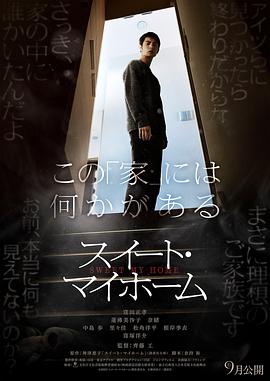
本片改编自被伊藤润二誉为“能同时满足悬疑与恐怖粉丝”的女作家神津凛子的获奖小说,讲述主角一家买到了心心念念的理想住宅,这“甜蜜的家”却因一起不可思议的事件而变为“恐怖之家”的离奇故事。除汇聚洼田正孝、奈绪、洼冢洋介等众多极具个性与魅力的演员外,斋藤更以娴熟的技巧、出色的审美呈现、精彩的叙事带领观众揭开层层神秘面纱,直达恐怖与令人惊愕的真相。