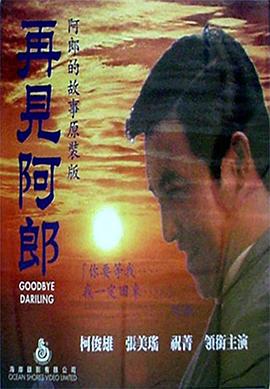
剧情简介: 台湾南部小镇上,有个女子乐队,每天为婚丧嫁娶演奏,收入甚微。队员桂枝貌美聪慧,因家境贫困,到乐队吹奏乐器。乐队队长老猴子暗恋着她。乐队老板娘的侄子阿郎,长得英俊潇洒,不务正业,被不少女人追逐。他常到乐队与女队员厮混。老板娘不喜欢他,桂枝也瞧不起他。一次,桂枝看到阿郎为维护自己做人的尊严, 将一个女人送给他的汽车和衣物退还,遂改变了对阿郎的看法,两人开始恋爱而且有了孩子。但终因阿郎的不负责任,桂枝在伤心之余只好答应五 十多岁的老猴子的求婚。老猴子为桂枝还清其父母借老板娘两万余元的债务。不料一次桂枝偶遇阿郎,又重新燃起恋情,两人相偕到高雄谋生。阿郎开始洗心革面,力图负起养家的责任,但苦于无—技之长。为了糊口, 他摆起了西瓜摊,却被取缔。一气之下,他把西瓜摊砸个稀烂。几经波折,婚姻陷于绝境。最后他找到一份驾 驶货车运猪的工作,日夜冒着生命危 险开车赚钱。桂枝担心他的生命安全,以离开他作威胁,要他辞掉运猪的工作。阿郎不肯。桂枝坐火车上台北的那一晚,目睹阿郎驾驶运猪车欲超越火车而在车祸中丧生的惨景,痛不欲生。 获 奖:台湾中国影评人协会评为1971年最佳国语片第二位,同年获第九届金马奖最佳技术特别奖 《再见,阿郎》导演:白景瑞 1970 在尚未解严之前的年代,敢设法突破重重关卡,把陈映真的小说《将军族》搬上银幕已是异数。导演白景瑞将其意大利留学经验中的“喜剧”部分放弃,全然发扬“写实”的层面,非常深刻而有力道:一边镂刻底层小人物的相濡以沫,颇富30年代写实传统遗绪,一边又能对台湾60年代民风详加捕捉(例如本省人/外省人的和睦相处,以及农业转型时期盛行的“赛车送猪进城”),可视为生活版的历史长卷。
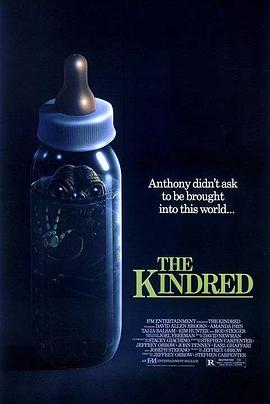
The Kindred(试管人魔) 剧情大概: 约翰医生的弟弟因为车祸而丧生,可他却把自己弟弟的遗体当作试验品改造成了怪物,此时他的朋友们来到其居所看望他,一阵腥风血雨即将到来……(此片感觉像变蝇人+怪形的结合体,但故事并不怎么出彩,不过怪物的样子还算比较独特) 血腥度:3 片中怪物数量:少量 怪物类型:人造生物+变异 怪物特点:试管培育出来的怪物,可迅速长大,有传染能力,触手系 怪物必杀技:穿刺、再生、同化 怪物恶心度:3 ————————————————by zombiehunter
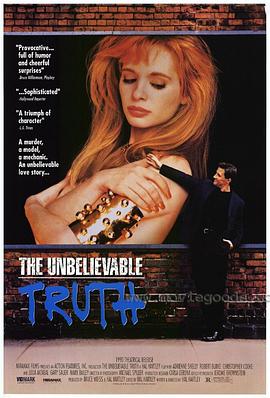
Fraught with over obvious symbolism, Hartley's early feature is nonetheless a joy to watch. Hal here shows us his uncanny ability to cast his characters perfectly came early in his career. Adrienne Shelley is a near perfect foil to herself, equal parts annoying teen burgeoning in her sexuality (though using sex for several years); obsessed with doom and inspired by idealism gone wrong she is deceptively – and simultaneously – complex and simple. Her Audrey inspires so many levels of symbolism it is almost embarrassingly rich (e.g., her modeling career beginning with photos of her foot – culminating her doing nude (but unseen) work; Manhattan move; Europe trip; her stealing, then sleeping with the mechanics wrench, etc.) As Josh, Robert Burke gives an absolutely masterful performance. A reformed prisoner/penitent he returns to his home town to face down past demons, accept his lot and begin a new life. Dressed in black, and repeatedly mistaken for a priest, he corrects everyone ("I'm a mechanic"), yet the symbolism is rich: he abstains from alcohol, he practices celibacy (is, in fact a virgin), and seemingly has taken on vows of poverty, and humility as well. The humility seems hardest to swallow seeming, at times, almost false, a pretense. Yet, as we learn more of Josh we see genuineness in his modesty, that his humility is indeed earnest and believable. What seems ironic is the character is fairly forthright in his simplicity, yet so richly drawn it becomes the viewer who wants to make him out as more than what he actually is. A fascinatingly written character, perfectly played. The scene between Josh and Jane (a wonderful, young Edie Falco . . . "You need a woman not a girl") is hilarious . . . real. But Hartley can't leave it as such and his trick, having the actors repeat the dialogue over-and-over becomes frustratingly "arty" and annoying . . . until again it becomes hilarious. What a terrific sense of bizarre reality this lends the film (like kids in a perpetual "am not"/"are too" argument). Hartley's weaves all of a small neighborhood's idiosyncrasies into a tapestry of seeming stereotypes but which delves far beneath the surface, the catalyst being that everyone believes they know what the "unbelievable truth" of the title is, yet no two people can agree (including our hero) on what exactly that truth is. A wonderful little movie with some big ideas.