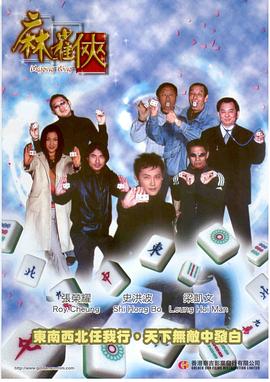
龙是一化名为麻雀侠的正义隐士。在一次正义行动中,竟被好友胜出卖,虽最后拼死杀出重围并被一老伯救起,但却失去了记忆,住在老人院。胜以为龙死了,乘机拼吞了龙的所有财产,成为一名富豪。就在此时,龙在老人院教授老人们习武,让他们从麻雀中解脱出来,奈何受到医生强的阻挠。可是,老人们却发现习武后身体越来越好,于是大家都来和龙一起练习,龙也在习武中一点一点地恢复了记忆,并和医生的助手倩产生感情。老人的身体好后受到记者采访,龙也成了名人,在电视中胜得知龙还未死,派出大量杀手到老人院狙杀龙,在殊死边缘时,龙得到因习武而充满活力的老人帮助,把一个个恶棍治服,送到警察局,胜也受到应有的惩罚,恢复记忆的龙继续住在老人院,龙还是正义之士 “麻雀侠”,在黑夜中飞舞着他的影子…
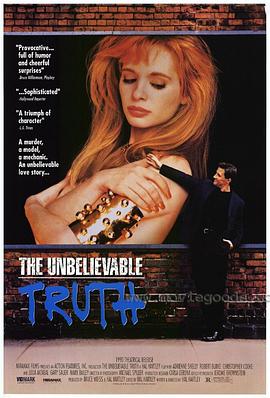
Fraught with over obvious symbolism, Hartley's early feature is nonetheless a joy to watch. Hal here shows us his uncanny ability to cast his characters perfectly came early in his career. Adrienne Shelley is a near perfect foil to herself, equal parts annoying teen burgeoning in her sexuality (though using sex for several years); obsessed with doom and inspired by idealism gone wrong she is deceptively – and simultaneously – complex and simple. Her Audrey inspires so many levels of symbolism it is almost embarrassingly rich (e.g., her modeling career beginning with photos of her foot – culminating her doing nude (but unseen) work; Manhattan move; Europe trip; her stealing, then sleeping with the mechanics wrench, etc.) As Josh, Robert Burke gives an absolutely masterful performance. A reformed prisoner/penitent he returns to his home town to face down past demons, accept his lot and begin a new life. Dressed in black, and repeatedly mistaken for a priest, he corrects everyone ("I'm a mechanic"), yet the symbolism is rich: he abstains from alcohol, he practices celibacy (is, in fact a virgin), and seemingly has taken on vows of poverty, and humility as well. The humility seems hardest to swallow seeming, at times, almost false, a pretense. Yet, as we learn more of Josh we see genuineness in his modesty, that his humility is indeed earnest and believable. What seems ironic is the character is fairly forthright in his simplicity, yet so richly drawn it becomes the viewer who wants to make him out as more than what he actually is. A fascinatingly written character, perfectly played. The scene between Josh and Jane (a wonderful, young Edie Falco . . . "You need a woman not a girl") is hilarious . . . real. But Hartley can't leave it as such and his trick, having the actors repeat the dialogue over-and-over becomes frustratingly "arty" and annoying . . . until again it becomes hilarious. What a terrific sense of bizarre reality this lends the film (like kids in a perpetual "am not"/"are too" argument). Hartley's weaves all of a small neighborhood's idiosyncrasies into a tapestry of seeming stereotypes but which delves far beneath the surface, the catalyst being that everyone believes they know what the "unbelievable truth" of the title is, yet no two people can agree (including our hero) on what exactly that truth is. A wonderful little movie with some big ideas.
1961年8月13日,在从慕尼黑开往东柏林的火车上,乘客在路上得知,东德将被新的柏林墙封闭。乘客们有3个半小时的时间来决定,是一直坐火车到东柏林,还是留在西德。