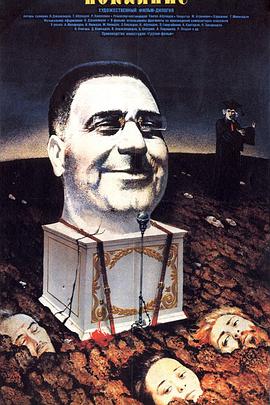
在瓦尔拉姆·阿拉维泽下葬的第二天,他的尸体被人掘起来放在他家的窗前。挖墓的是一个女人,她在法庭上的供词和回忆使人们重新回到独裁者阿拉维泽残暴肆虐的年代。他将不计其数的无辜者冠以“人民公敌”的罪名投入监狱。阿拉维泽的儿子最后幡然省悟,亲自将父亲的尸体从山崖丢下了大河……本片中他使用令人惊叹的造型手段,以诗意的语言讲述了一个关于罪恶与惩罚、忏悔与醒悟的故事。本片是阿布拉泽三部曲的第三部,前两部风别为《愿望树》和《祈求》, 《悔悟》被认为是苏联电影改革的“第一只春燕”。 40届戛纳电影节评委会大奖(1987年)
大革族四大勇士之元泰、勇士昆布倒戈卖国投降,元泰引西暌族和南离皇族联军攻革,大革族族皇自杀身亡!蔡八儿提着七孔刀逃亡,在山林里救了被狼群养大的小男孩,蔡八儿为小男孩取名祖澈,蔡八儿和祖澈隐居十五年后,祖澈长练得一手好刀法,光复大革国。
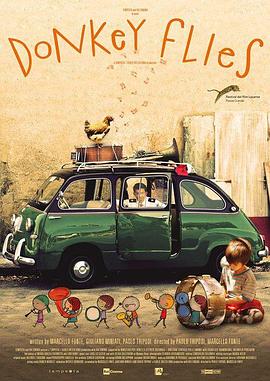
Maurizio is a stubborn boy who grows up near the fiumara, where people throw away whatever they no longer need. This open-air dump becomes his playground, where among wrecked cars and other treasures large and small, he begins to dream of playing in the town band. Mamma Rosa looks on his musical aspirations as a childish whim, a luxury that the family cannot afford. And so, between the good advice by Mosè the donkey and the pranks by chicken N’Giulina, Maurizio is faced with a growing series of adventures and comes to the realization that, if his dream is to come true, he must be determined to see it through right to the end.